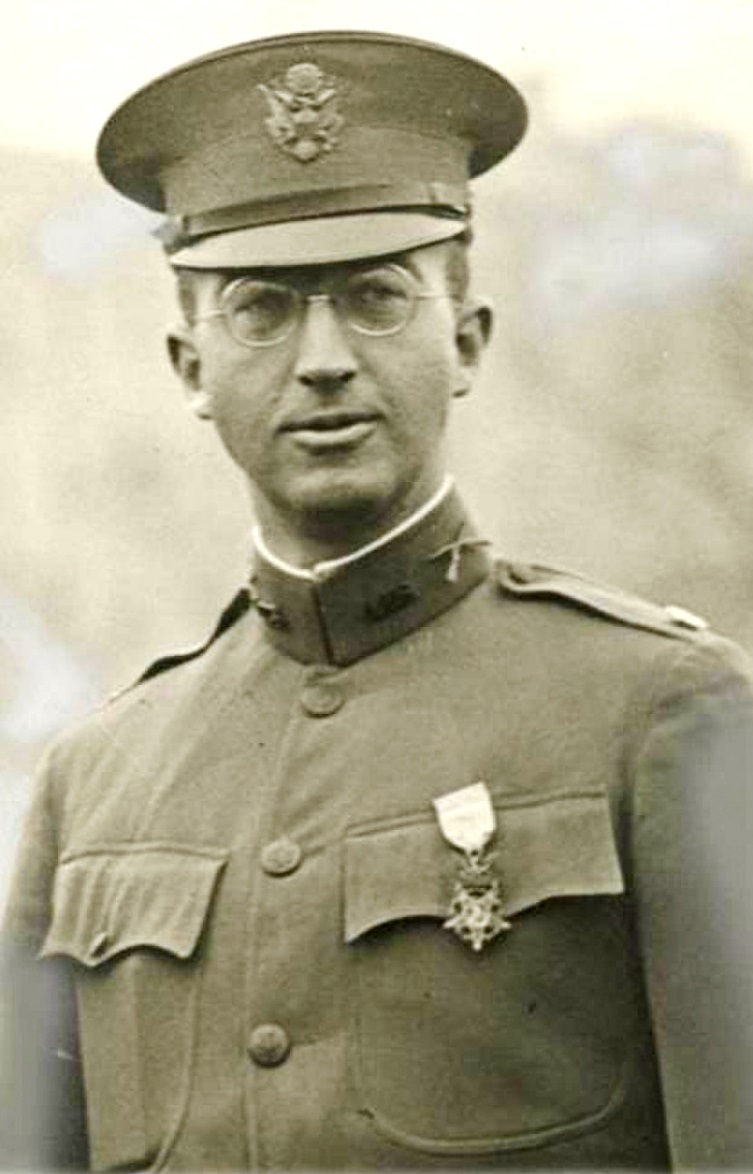
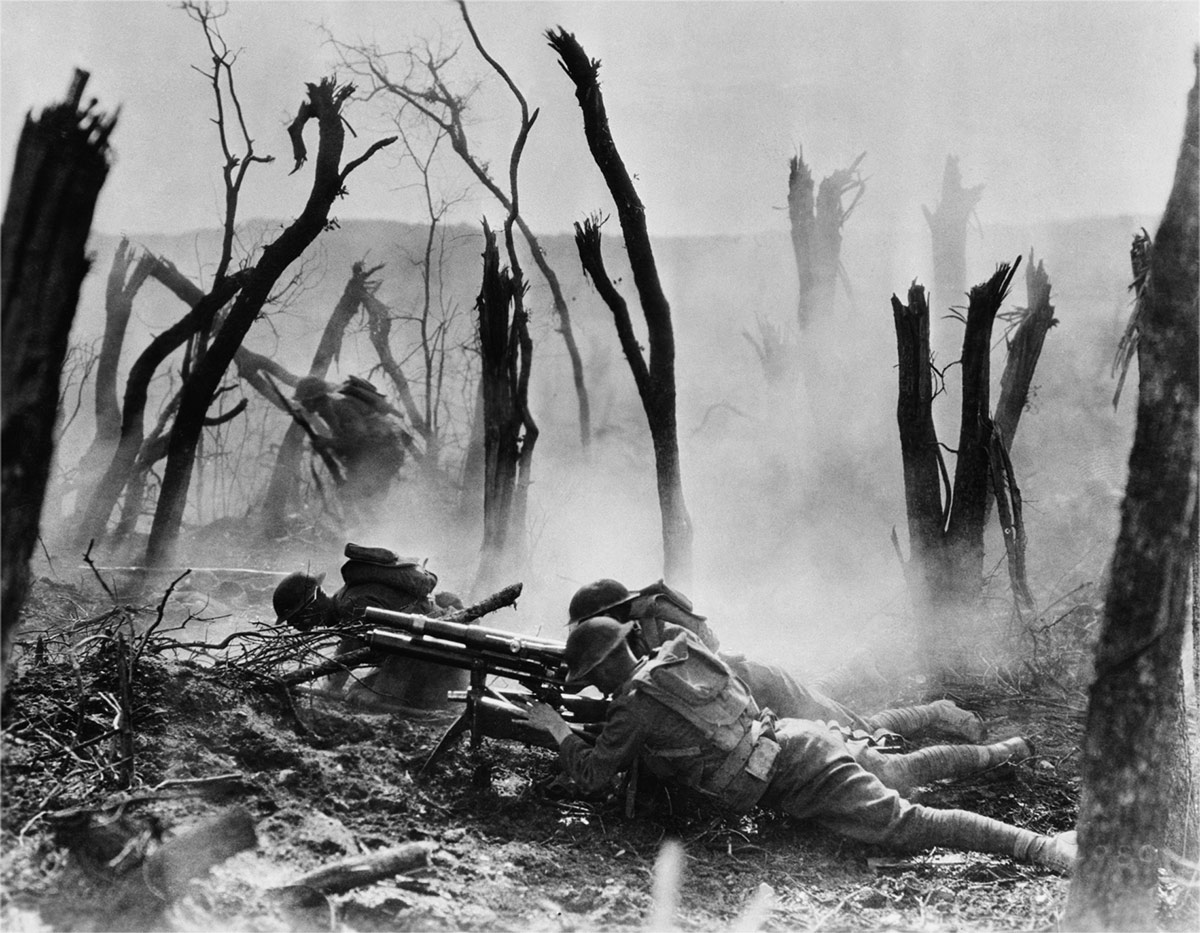
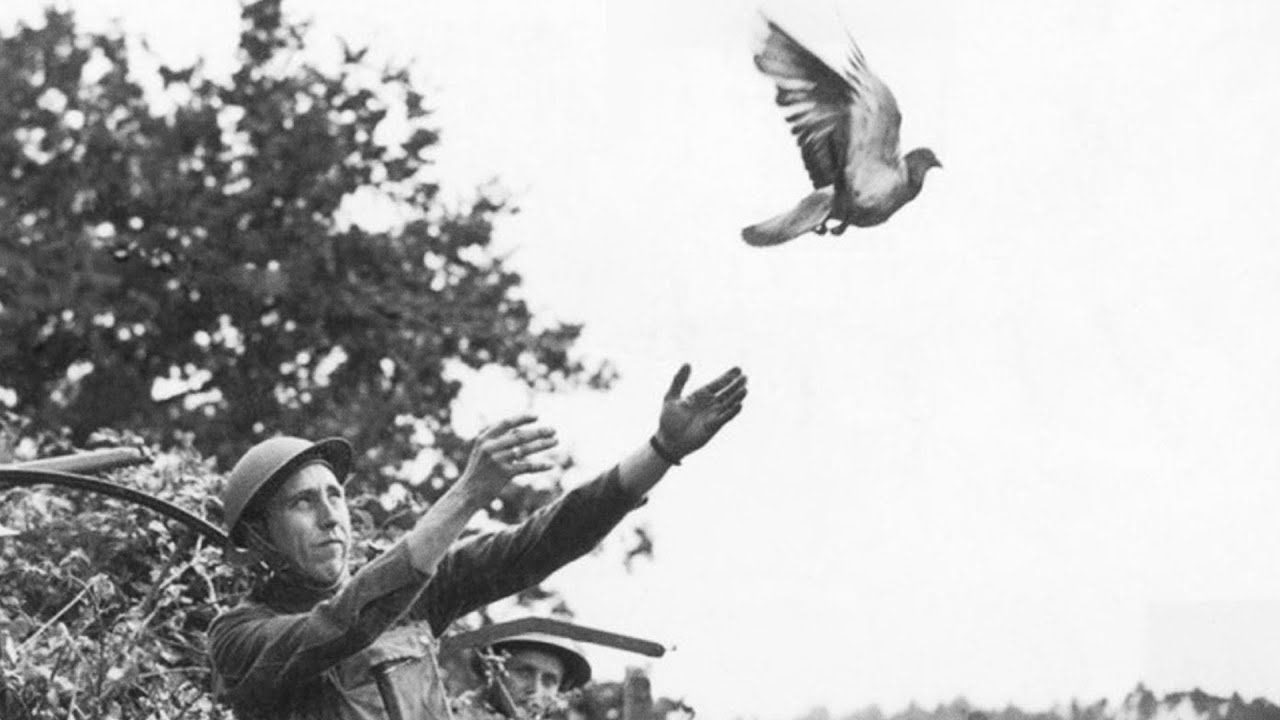
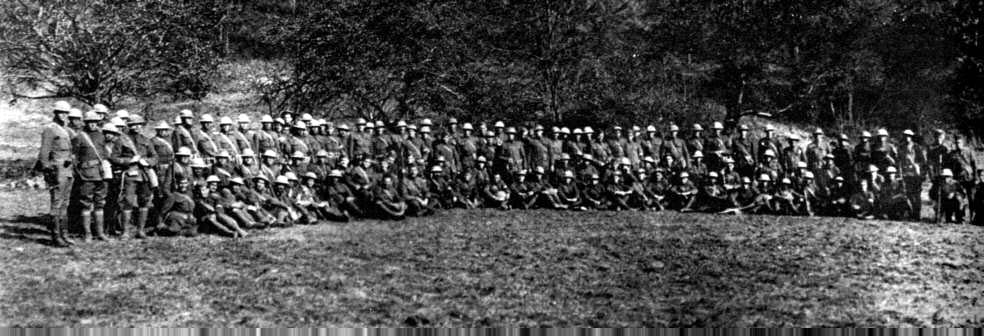
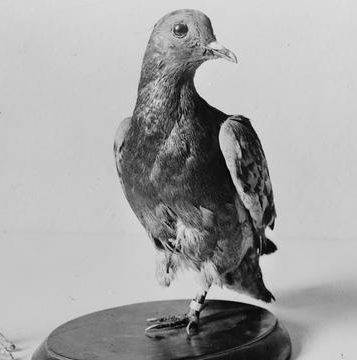
In a last ditch attempt for aid, Whittlesey began sending messages by carrier pigeon. Some 600 pigeons were employed by the US Army Signal Corps during the First World War – not necessarily the most popular method of communication, but a reliable one in the face of fledgling radio’s limitations. Pigeons could be a risky way to communicate, though. Soldiers trained diligently to spot and shoot birds working for the enemy, so there was no guarantee the recipient would the receive the message – and if a pigeon was shot down, its message could easily be intercepted by enemy forces.
But Whittlesey had no choice, and the battalion watched in horror as the first pigeon, carrying the message ‘Many wounded. We cannot evacuate’ was shot down by the Germans. He sent a second bird, bearing the message ‘Men are suffering. Can support be sent?’ That too, was gunned down. Whittlesey scrawled a final message onto onion paper: ‘We are along the road parallel to 276.4. Our own artillery is dropping a barrage directly on us. For heavens sake stop it.’ The note was then dispatched by a third pigeon, ‘Cher Ami’ (French was ‘dear friend’).